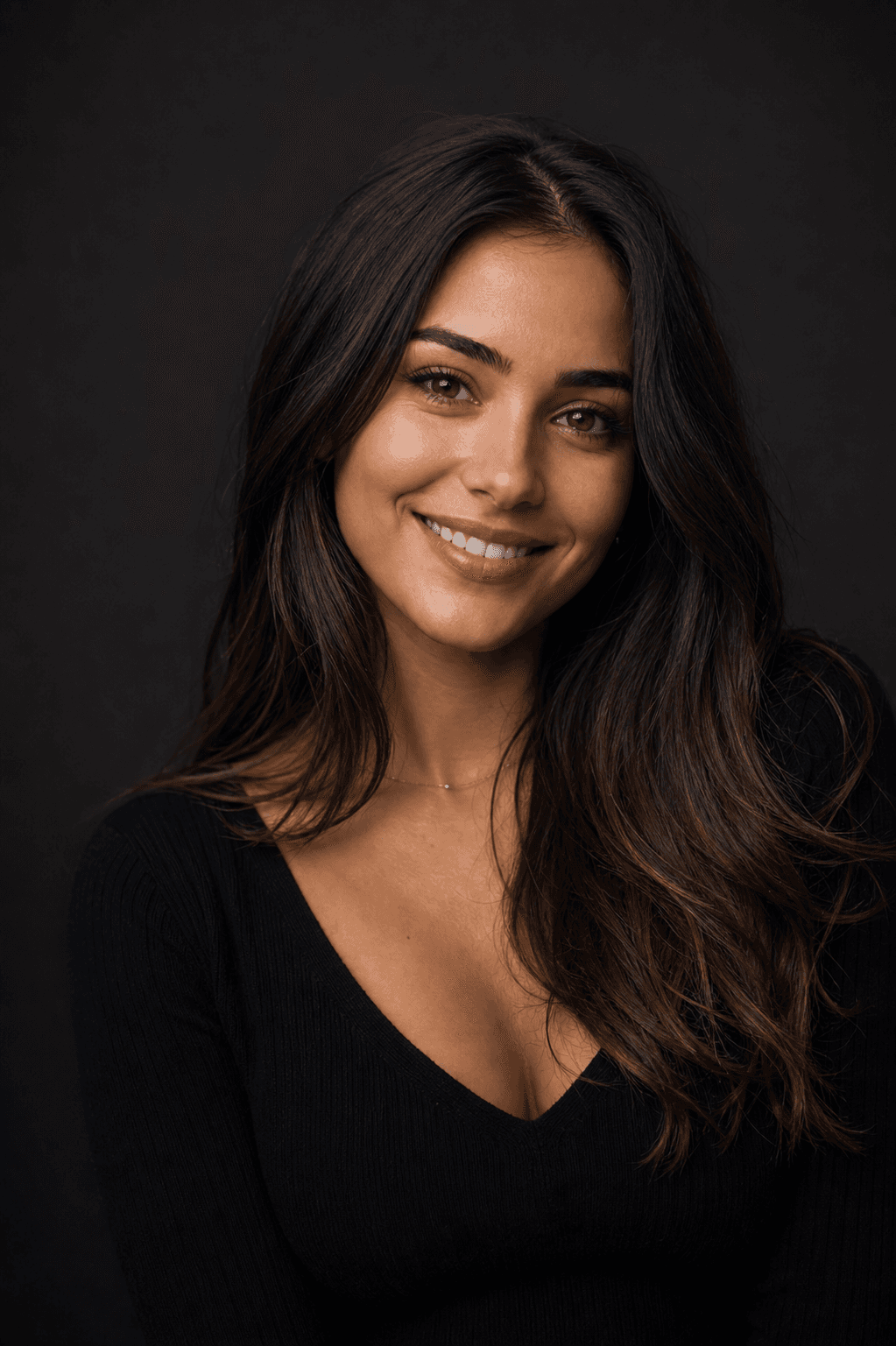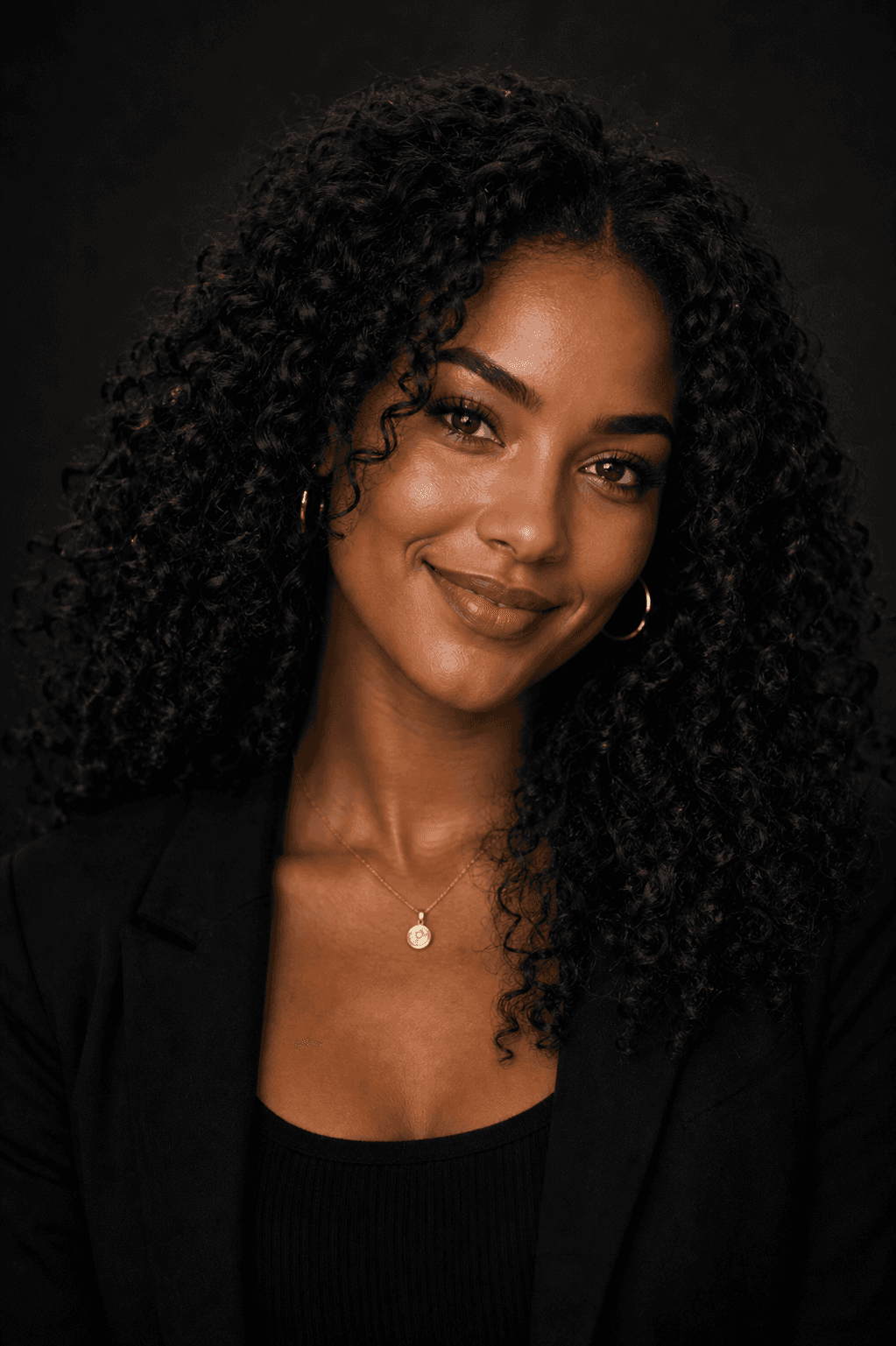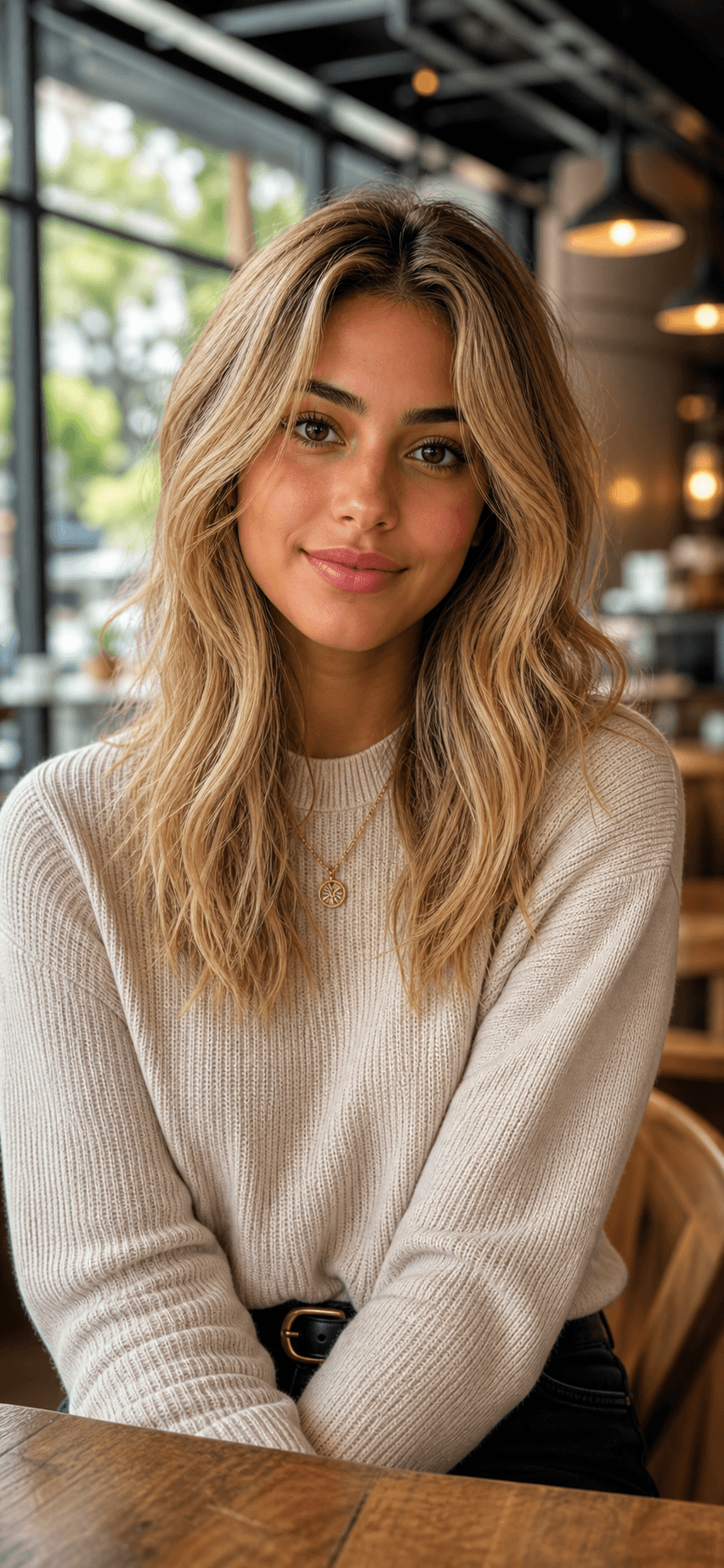
A virtual partner can be generated with almost arbitrary visual detail, yet many AI companion galleries look strangely similar. Smooth skin, symmetrical features, fashionable lighting and carefully posed expressions appear again and again. The technology seems to promise unlimited imagination; the results sometimes resemble a single advertising campaign with different hair colors.
That contradiction is worth examining because an avatar is not merely decoration. It sets expectations about the character before a single message has been exchanged. A warmly lit portrait suggests intimacy. A highly polished fashion image suggests glamour. A casual photograph suggests everyday familiarity. The same underlying chatbot can feel very different when those visual signals change.
Beauty is a design choice, not a technical requirement
Image-generation systems can produce an enormous range of adult appearances and styles. But developers, marketers and users still make selections. App store screenshots often feature images believed to attract attention quickly, not necessarily characters that will sustain a compelling story. Over time, those selections can become conventions: a limited idea of attractiveness begins to look like the natural form of an AI companion.
The process resembles the way stock photography once standardized the appearance of offices, families and happy couples. A picture meant to communicate one idea quickly is repeated so often that it starts to define what that idea should look like. Companion apps face the same risk when every romantic character is a variation on a flawless face.
Why the details beyond the face matter
Visual identity includes much more than facial symmetry. Clothing, posture, surroundings and expression create context. An avatar sitting in a cluttered music studio suggests a different story from one posed against a luxury hotel backdrop. These signals can help the user understand what kind of fictional world they are entering.
When the character's writing supports the image, the effect is stronger. Someone described as an enthusiastic gardener should have interests beyond occasionally mentioning flowers. A character presented as a curious traveler should be capable of exploring imaginary places without reverting immediately to generic compliments. Otherwise the visual specificity promises a personality that the dialogue fails to deliver.
Representation and the risk of caricature
More diverse visual libraries can make fictional media welcoming to a wider audience. Yet diversity cannot be reduced to swapping visible traits while retaining the same personality script. Cultural identity, adult age, body type and fashion do not map neatly onto a set of psychological characteristics. A respectful fictional character should not be defined by stereotypes about how someone from a particular background must behave.
Research on generative AI has documented gender and social biases in some models. UNESCO's 2024 work on language-model gender stereotypes is a reminder that systems can reproduce patterns present in training data. Although that research was not a controlled audit of companion avatars, it provides a reason to ask better design questions: whose aesthetic preferences shaped the dataset, which generated images were selected, and whose tastes are treated as normal?
The difference between realistic and believable
A photorealistic image can still undermine a story if it changes from scene to scene. The character's face may vary subtly, an outfit may transform without explanation or the environment may no longer make sense. The problem is not that a fictional character failed to be human. It is that continuity has been broken.
Believability is therefore partly an editorial matter. A consistent fictional identity usually matters more than maximal photorealism. A stylized illustration with stable features can be more convincing than a series of immaculate photographs showing slightly different people. Users comparing photo features should look at consistency across multiple scenes, not only at the best single image on a marketing page.
The influence of the thumbnail
The choice of a single image can shape an entire experience before a user knows anything about the character. In a store listing or onboarding grid, a portrait has to communicate an atmosphere almost instantly. Marketers understandably favor clear faces and expressive lighting. But that commercial pressure can also flatten variety: images that perform well in a quick glance may be less memorable than characters whose identity unfolds over time.
The better design challenge is to make a thumbnail an invitation rather than the whole promise. A portrait can suggest warmth, wit or curiosity without making exaggerated claims about a generated person's authenticity. The first conversation then has an opportunity to confirm or complicate that impression. When visual presentation and dialogue develop together, the character becomes something more interesting than an interchangeable glamorous face.
What a more interesting avatar gallery could offer
Instead of presenting only 'beautiful' variants, an app could organize characters around mood, creative interests and storytelling potential. Someone might prefer a quiet bookshop atmosphere, an adventurous science-fiction setting or a contemporary city romance. That diversity gives users choices about the kind of fiction they want to inhabit, rather than merely asking which face they find most attractive.
There is no requirement to find every design appealing. The important thing is that the range of imaginable personalities should be wider than one aesthetic ideal. Better visual design invites curiosity about character, not just appearance.
If you want to explore character images and fictional personalities together, AI Girlfriend for iPhone includes avatars and AI-generated photo experiences. Judge visual consistency alongside how distinctive the conversation feels. For a technical account of image creation, see How AI girlfriend photos are made. A believable character begins where a pretty picture stops.